.webp)
Clear range identity and responsible information for supplement brands
Supplement products are often presented in ranges with different ingredients, serving formats and strengths. Branding can make these product families coherent, but customers must still be able to identify the relevant variant and find approved information. Container labels, cartons and product imagery all contribute to that experience. The creative task is to organise authorised content clearly without implying that a supplement has the same legal status or therapeutic purpose as a medicine.
Supplement products are often presented in ranges with different ingredients, serving formats and strengths. Branding can make these product families coherent, but customers must still be able to identify the relevant variant and find approved information. Container labels, cartons and product imagery all contribute to that experience. The creative task is to organise authorised content clearly without implying that a supplement has the same legal status or therapeutic purpose as a medicine.
Ojenili can review a supplement packaging or communication brief using the approved ingredient list, final product copy, pack samples and the planned sales channels. The work may concern a family identity, label redesign, photography, professional materials or permitted retail displays. Each output requires its own scope and confirmation. Design cannot independently certify efficacy, provide scientific approval or guarantee commercial performance.
Differentiate supplement variants while keeping claims within approved boundaries
A supplement range needs both brand consistency and accurate product distinction. A shopper should be able to recognise individual formulations and amounts without relying exclusively on colour. At the same time, the labels and communications must represent approved composition and permitted claims. The following two areas help define whether the project primarily concerns packaging architecture, information hierarchy or the channels in which the products will be presented.
Give each supplement variant a clear identity within the wider product range
Several strengths, flavours or serving forms may share a brand system without being visually identical. Review the complete SKU list, approved names, packaging dimensions and the information differentiating each product. A reliable hierarchy can make ingredient categories and variants easier to recognise. The design must not suggest equivalence or differences unsupported by the product owner’s verified information.

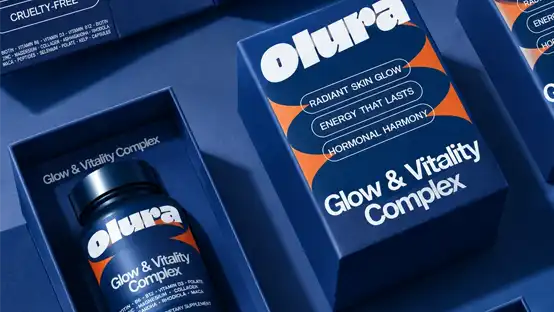
Align pack information and launch materials with permitted supplement communication
Information on the label and information in an advertisement are linked but not interchangeable. The wording, imagery and proposed benefits require approval for the product and target market. Before selecting a sales display, brochure or digital image, confirm the permitted messages, intended audience and local channel requirements. Avoid borrowing treatment language or evidence claims from medicines without appropriate authorisation.
Questions to resolve before supplement packaging or product promotion
Supplement packaging briefs often begin with a new label, an expanded product line or a launch plan. The correct starting point is nevertheless the verified formulation, approved copy and intended audience. Distinct doses or serving formats can call for different information hierarchies even when the brand identity remains consistent. The questions below separate creative differentiation from regulatory and scientific claims that designers are not authorised to establish.
No. Promotional language must reflect its verified classification and permitted claims; packaging should not imply an unapproved therapeutic purpose or treatment.
Use authorised product names, quantities, dosage or serving information and clear visual hierarchy, with the actual container and label space considered.
Not automatically. Imagery must suit the audience and approved claims without implying unverified performance, medical benefits or endorsements for the actual product.
Consider redesign when information is difficult to locate, variants are confused or the actual pack no longer supports clear approved communication.
No. Formula performance, safety and permitted claims require appropriate evidence and specialist approvals; visual design cannot establish these properties for the specified formulation.
Four steps to prepare a supplement design brief
Before selecting a visual style, establish what supplement is being presented, which claims and ingredient information are authorised, and what the physical package can accommodate. A brand may need one label, a complete family system or a set of launch assets. Defining these inputs allows a design discussion without confusing creative work with product testing, regulatory clearance or a commitment to manufacture.
Identify Supplement Formats
Document formulation categories, serving forms, variants and intended markets to establish the required range architecture before design.
Obtain Approved Wording
Collect verified ingredient data, mandatory statements, permissible claims and responsible approvals without rewriting technical product information for each variant.
Inspect Physical Packaging
Review bottles, cartons, labels and dielines against actual dimensions and the approved information the design must accommodate.
Agree Project Deliverables
Separate graphics, photography, prepress and possible production tasks, identifying approvals and technical checks needed for each output.
Select supplement branding and packaging workstreams by the actual need
| Related workstream | Inputs for assessment | Route to consider | Brand challenge |
|---|---|---|---|
| Brand identity and packaging | Full range list and authorised product details | Review packaging architecture and variant identification | Similar-looking variants and strengths |
| Supplement label design | Actual pack and final label copy | Reorganise approved information on the container | Ingredients difficult to find on a label |
| New product communication | Permitted claims, target audience, channel plan | Prepare approved launch materials and imagery | Introducing a supplement to an authorised audience |
| Packaging graphics and production review | Pack sample, dieline and supplier requirements | Adapt graphic artwork to the real container | Changing package format or dimensions |
| Exhibition communications | Event context, approved messaging, venue rules | Design permitted professional displays | Trade-show materials for a supplement range |
| Content and media | Final physical products and usage approvals | Create coordinated, accurate product imagery | Inconsistent pack and product photography |
| Artwork and prepress review | Print specifications, final copy, quantities | Review approved artwork and technical formats | Preparing cartons and labels for print |
Treat pack information and supplement promotion as related, separate decisions
The information printed on a supplement pack must be handled with particular care. The same brand may also need retail imagery, professional literature or an exhibition display, but not every phrase or claim can be moved from one medium to another without checking permissions. This distinction helps teams agree creative deliverables while keeping ingredient accuracy, scientific assessment and regulatory responsibility with the appropriate product owners and reviewers.
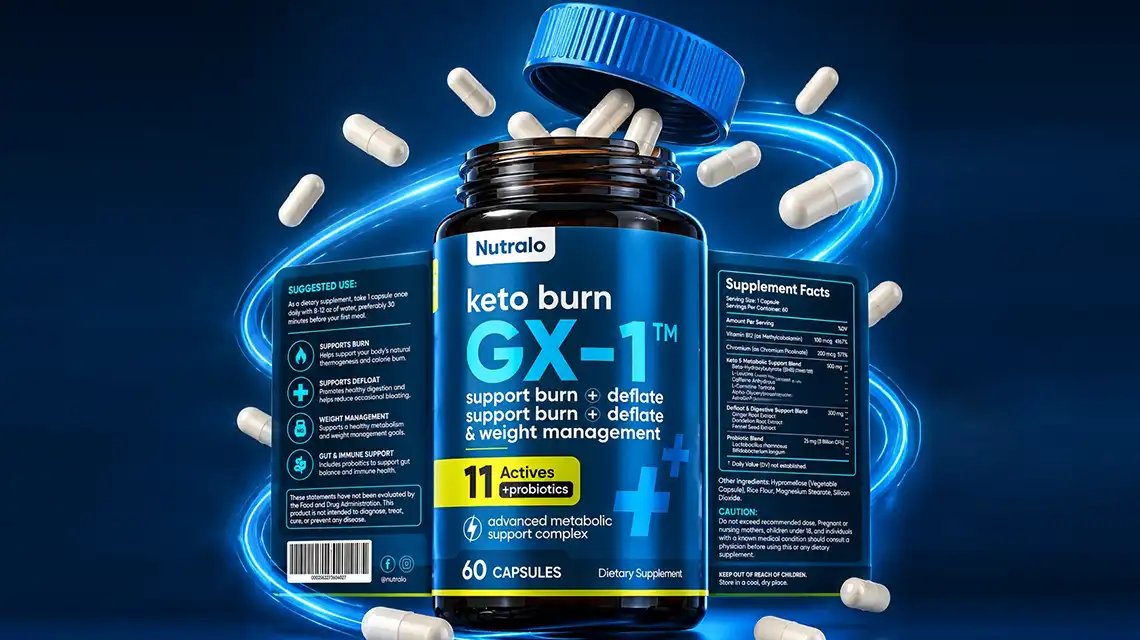
Design cartons and labels around verified product information and clear variant recognition
Begin with the real pack, approved product name, ingredient information and required statements. Establish a visual hierarchy that connects the range while making individual supplements recognisable. The design may cover one label or several related presentations, but artwork must reflect actual dimensions and authorised wording. Printing specifications and technical product claims require further checks outside the graphic design task.
Create supplement presentation materials without implying unsupported medical benefits or approval
Brochures, specialist retail material and digital images should communicate only verified and permitted product information. Review the planned audience and channel before choosing claims, visuals or promotional formats. Avoid graphic cues that suggest treatment, guaranteed performance or a certification that the product does not possess. Final publication and any manufacturing or installation arrangements require separate confirmation.
What to submit for a supplement packaging or communication enquiry
An effective brief should identify every formulation and package format, the approved claims and the proposed sales channel. Draft ingredient data or incomplete labels may be sufficient for an early discussion, but not for final artwork approval. Different outputs also require different production information. The questions below describe what to prepare so a supplement design project can be evaluated without confusing creative assistance with technical product authorisation.
Share actual containers, dimensions, brand guidelines, approved label text, ingredient information and a complete list of variants and strengths for every variant.
Preliminary directions can be discussed, but final copy, claims and regulatory statements require approval before print-ready artwork is released for its intended market.
No. Qualified parties must authorise ingredient facts, health claims and scientific statements; Ojenili can design from the approved source before materials are published.
Identify the product’s permitted audience, approved messages, distribution channel and any venue or retailer rules affecting presentation before final artwork production.
Assess the number of variants, real formats, final content, deliverables, printing requirements and approval steps before estimating resources and expected approval cycles.
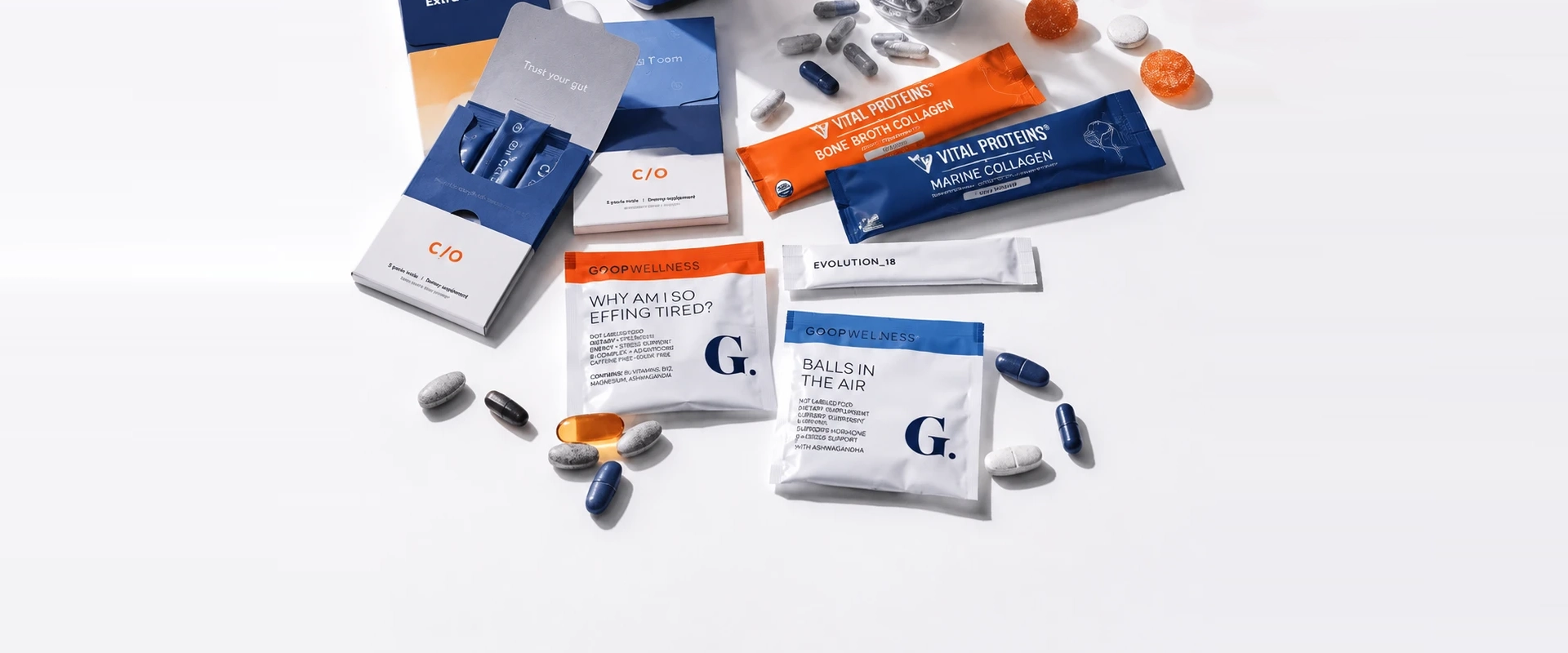
Frequently asked questions about supplement branding and labels
Both require accurate information, but product classification, legal obligations and permitted claims differ. Neither category should borrow the other’s approved statements.
No. Claims must be supported, authorised where required and suitable for the specific formulation, audience, market and communication medium before publication.
Not necessarily. A shared visual system can be retained while approved flavours, variants and serving information remain clearly distinguishable on the shelf.
No. The relevant product owner and authorised specialists remain responsible for approval of claims, labelling and compliance for any destination market.
Potentially, once the audience, venue requirements and approved product information are confirmed and the design scope has been agreed for that specific product.
Provide the packaging samples, dimensions, approved wording, number of designs, available artwork and print or production requirements including any approval stages.