
Consistent medical device branding starts with accurate model information
Medical devices and their accessories are assessed through more than packaging aesthetics. Buyers and users may need to distinguish closely related models, configurations and compatible components. A packaging system, product label or catalogue therefore depends on the actual device, intended use and approved technical information. Creative clarity can help organise source material, but graphic design cannot establish device safety, certification, clinical performance or sterile status.
A medical equipment company may need clear carton labels for accessories, a structured catalogue for professional purchasers or visual assets for a specialist exhibition. Each audience and medium requires different information and different approvals. Product images and illustrations should accurately reflect the verified device and configuration rather than introduce invented controls or features. Where technical statements or regulated claims are included, the responsible product owner must authorise the content.
Ojenili can discuss brand systems, device packaging graphics, specialist publications, visualisation or exhibition communications once the models, approved wording, physical samples and intended audience are identified. The agreed output might cover one device or a range. Any testing, sterilisation validation, regulatory authorisation, production or installation sits outside the design brief unless separately confirmed by qualified parties.
Two priorities for medical device identification and professional communication
The medical device brief needs to connect clear model identification with accurate information for the intended reader. A similar product appearance can conceal important configuration differences, while a technically dense catalogue can become difficult to navigate. These two areas guide whether the first need is packaging and label hierarchy or professional presentation material. In both cases, data and claims must be approved by the responsible device company.
Identify different medical device models and their associated components accurately
A family of devices may share identity elements, but model names, product codes, configuration differences and compatible accessories must remain distinct. Review the full model list and approved source documentation before establishing typography or colour conventions. The physical pack may limit information space. Accuracy of technical content and labelling remains subject to formal review by responsible product specialists.
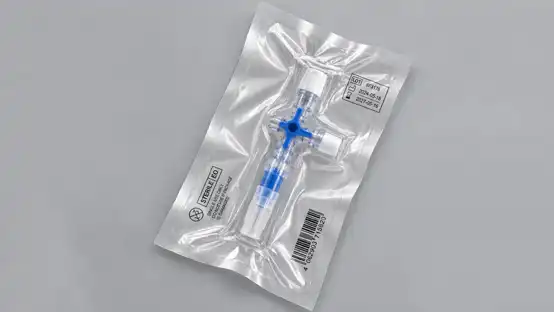
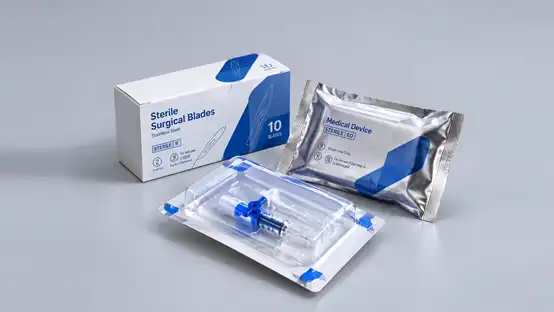
Build specialist communication around verified technical information and relevant audiences
Professional buyers may need structured catalogues, comparison material and product images that correspond to real device versions. Start with verified specifications, intended-use statements and approved illustrations. The organisation should identify the actual audience and allowed channels before developing brochures or displays. Comparative performance, compatibility, sterility or regulatory status must never be inferred from a visual presentation.
Decisions before preparing medical device packaging and literature
Medical device projects often involve closely related models, accessories, detailed labels or technical publications. First establish what information belongs on the device or pack and what should appear in a professional catalogue. Confirm the actual model and regulatory documentation before drafting claims or visuals. These questions help identify the communication problem without confusing brand design with testing, safety assessment or regulated device approval.
A common visual system may be appropriate, but model names, item codes and verified differences must remain clear across packaging and catalogues.
Use the applicable, authorised labelling content supplied by the device owner, with its hierarchy reviewed against the real label area.
Only if the claim is lawful, supported by appropriate evidence and approved for the intended audience; designers cannot invent comparisons.
Images should represent the approved configuration accurately, with controls, accessories and proportions verified before use in product communication in the final approved communication.
No. Safety, sterility and regulatory conformity require separate evidence and qualified assessment; creative approval does not establish those properties for the specific device.
Four checks for a medical device communication brief
A device project should begin with identification of the exact equipment, the authorised documentation and the users who will receive the communication. Some requests are primarily for a carton or label; others need a specialist catalogue, event material or product image. Each output has distinct review requirements. These steps establish a clear initial brief while keeping technical verification, safety validation and legal authorisation outside graphic design responsibilities.
Identify Device Models
List devices, model codes, accessories and approved intended uses so every artwork version corresponds to a real product.
Obtain Verified Specifications
Collect authorised technical descriptions, labelling information and imagery from the responsible product team before creating promotional material.
Select Communication Formats
Distinguish cartons, labels, professional catalogues, product images and trade-show graphics according to actual audiences and needs and channel.
Assign Approval Ownership
Document who validates technical accuracy, regulatory claims, final artwork and any separately agreed production or installation stages.
Choose a medical device design route based on its communication challenge
| Relevant service | Required inputs | Workstream to assess | Need or challenge |
|---|---|---|---|
| Brand and packaging identity | Approved model codes, configuration list and brand assets | Develop consistent model identification across the range | Similar device models are hard to distinguish |
| Packaging and label design | Actual packs, label dimensions and approved copy | Reorganise authorised product information | تراکم اطلاعات روی بسته\Crowded labels and cartons |
| Specialist catalogue design | Approved specifications and defined audience | Design a verified technical catalogue | Professional buyers need clear product comparisons |
| Product visual content | Approved device model, reference images and usage rights | Create accurate photography or visual representations | Physical devices cannot be shown at every meeting |
| Exhibition communication | Event rules, approved messages and audience | Prepare permitted stand graphics and information material | Specialist trade-show participation |
| Packaging design review | Dimensions, included items and technical constraints | Review carton structure and graphic presentation | Packaging for devices and accessories |
| Prepress and printing coordination | Final approved files, dimensions and quantities | Check artwork versions and print specifications | Printing approved product materials |
Separate medical device packaging from professional product presentation
Packaging, labels and specialist publications serve connected but different purposes. The pack must reflect the actual product and approved information, while a catalogue can help a professional audience compare verified models and configurations. A shared brand system can link both, but it cannot replace technical validation. Keeping these streams separate helps define accurate source material, approval ownership and any practical production tasks before creative or commercial commitments are made.
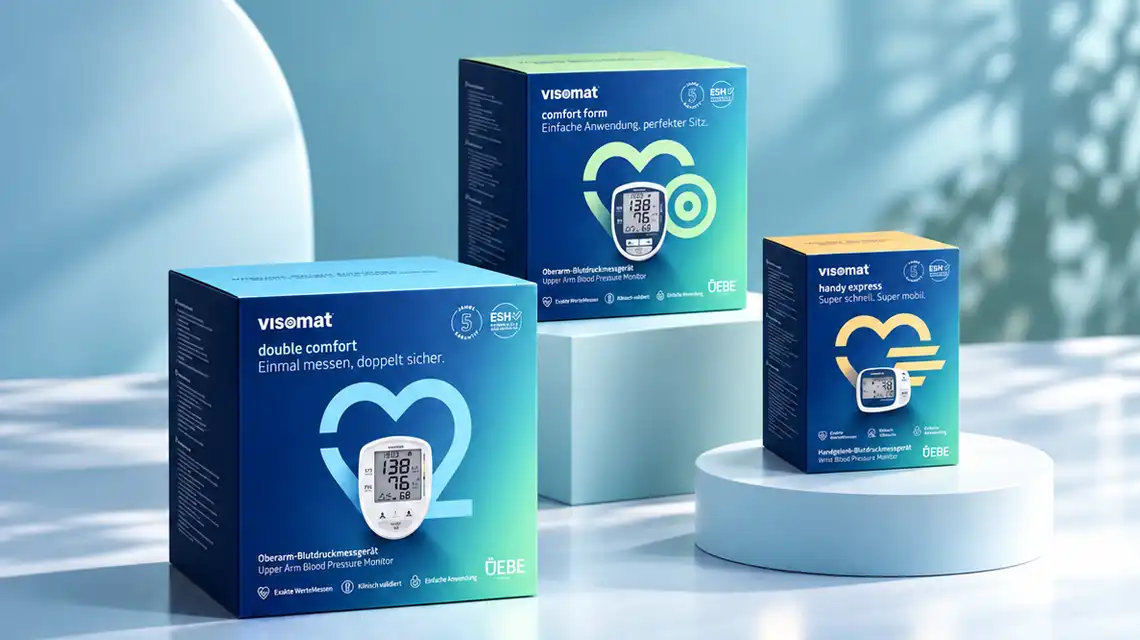
Design device cartons and labels around exact models and approved product information
Begin with the real device, accessories, approved model list and relevant labelling copy. A coherent graphic system can support recognition across a range, provided individual device codes and configurations remain distinguishable. Packaging artwork must reflect actual dimensions and approved information. Claims about protection, sterile barriers or technical compliance require independent tests and authorisation before appearing on the final design.
Create professional catalogues and visuals suited to the audience and communication channel
A specialist catalogue should organise verified specifications, approved use cases and accurate representations of the device. Review the intended audience, product variants and image references before laying out the information. Trade exhibition graphics may use the same approved content in a different hierarchy. Any performance comparisons, regulatory symbols or claims require evidence and confirmation outside the creative team.
Information needed before medical device design or production assessment
A specialist catalogue should organise verified specifications, approved use cases and accurate representations of the device. Review the intended audience, product variants and image references before laying out the information. Trade exhibition graphics may use the same approved content in a different hierarchy. Any performance comparisons, regulatory symbols or claims require evidence and confirmation outside the creative team.
Send device and accessory samples, pack dimensions, approved labelling, verified product codes, existing artwork and packaging specifications for each device configuration.
No. The product owner and authorised specialists approve specifications, intended uses, regulatory status and technical claims before publication in the destination market.
Provide a complete model register, exact differences, approved product names, images and the components included with each presentation before final layout approval.
No. Such assessments require independent authorised processes and must not be assumed part of graphics, printing or packaging design in the agreed design scope.
Estimates depend on the number of models, available evidence, design outputs, approval stages and any separately scoped print requirements before a quotation is confirmed.
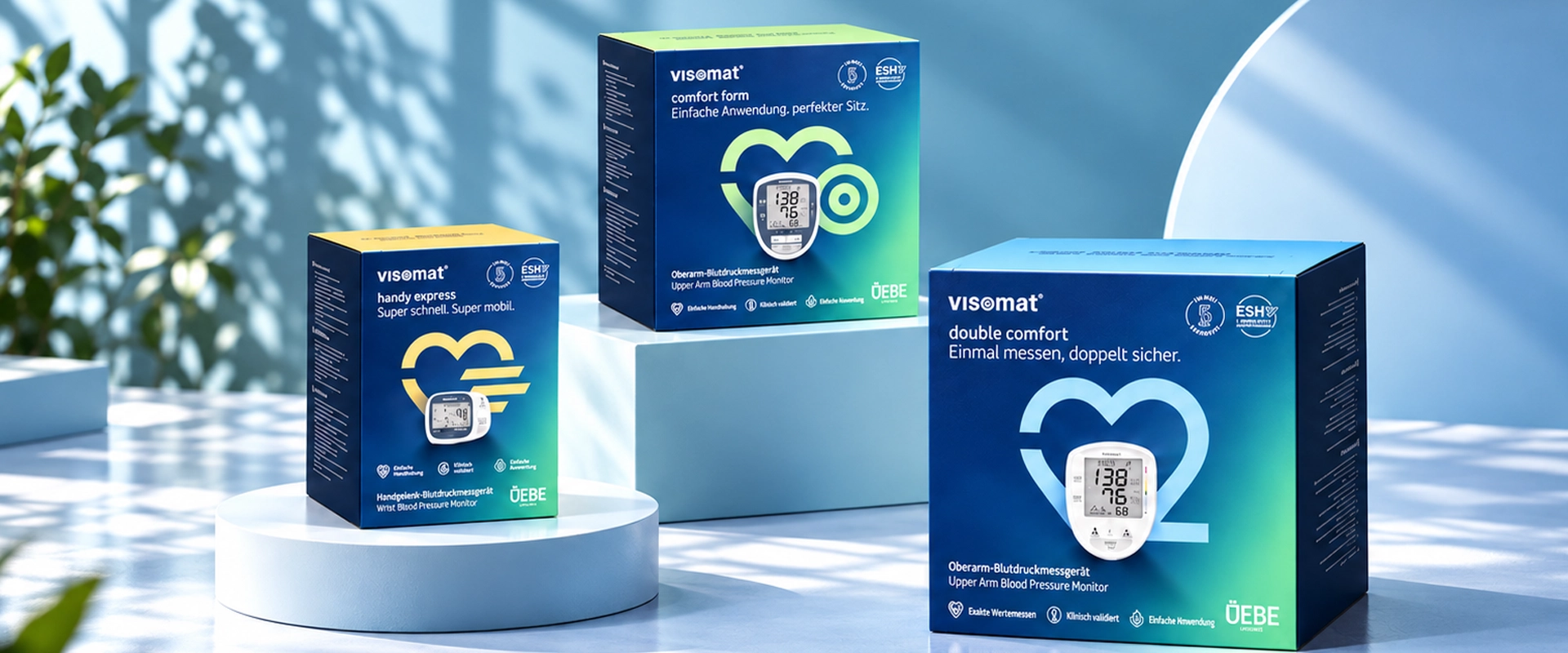
Frequently asked questions about medical device branding and presentation
No. They have distinct product classifications, source documentation and communication requirements; each is addressed on its specialist industry page under the relevant regulations.
No. Technical information must originate from approved product records and be authorised for the audience and market before publication including comparative product claims.
No. Sterility and sterile-barrier performance need independent validation and appropriate documentation; graphic design cannot confirm either condition under controlled product conditions.
Device information should reflect verified intended use, model details and applicable requirements, while supplement messages follow their separate classification and rules.
A render can help communicate an approved configuration, but it must be checked against source references and cannot validate performance.
Fees depend on models, verified technical content, required pages or artwork, approvals, photography and agreed execution or printing tasks for the full project scope.