
Present health-focused care products clearly without making medical promises
Products described as health-focused can cover varied non-food care needs, but the term alone does not determine their legal status. This page concerns relevant non-food care products whose classification and permitted communication have been confirmed. Branding should help customers recognise the correct item, its intended application and any authorised information. The visual identity must not suggest that a product is a medicine, supplement or regulated medical device unless the underlying classification and evidence support that status.
A family of personal care goods may be sold through a pharmacy, specialist retailer or online channel. Different container shapes, variants and instructions can affect label hierarchy and how the product is introduced. Images of users, health symbols and benefit statements should be chosen carefully, because they may imply clinical effects or endorsements not supported by the source information. Product composition, protective performance, permits and claims are not established by design alone.
Ojenili can review a brief covering a coherent product family, label, carton, brochure, product image or authorised point-of-sale material. Start with the real goods, approved descriptions, classification, destination market and intended sales environment. The scope of design, possible production and approvals must then be agreed explicitly. No therapeutic efficacy, certification or permission to advertise is implied simply by the appearance of the finished packaging.
Two priorities for responsible health-focused product communication
A useful brief should make it easy to recognise the correct non-food care product without suggesting claims that the organisation cannot substantiate. The first priority is consistent identification across products with different applications. The second concerns where and to whom the approved information will be shown. Both require product classification and source copy to be confirmed before deciding on creative treatments.
Differentiate applications and variants within a clear non-food care product range
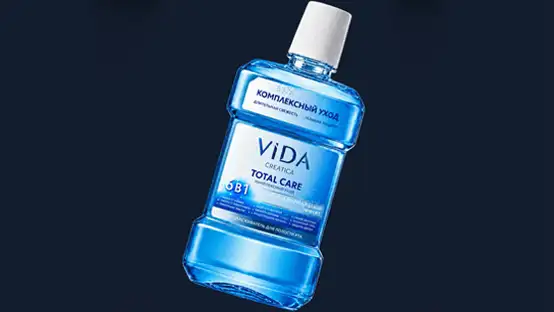
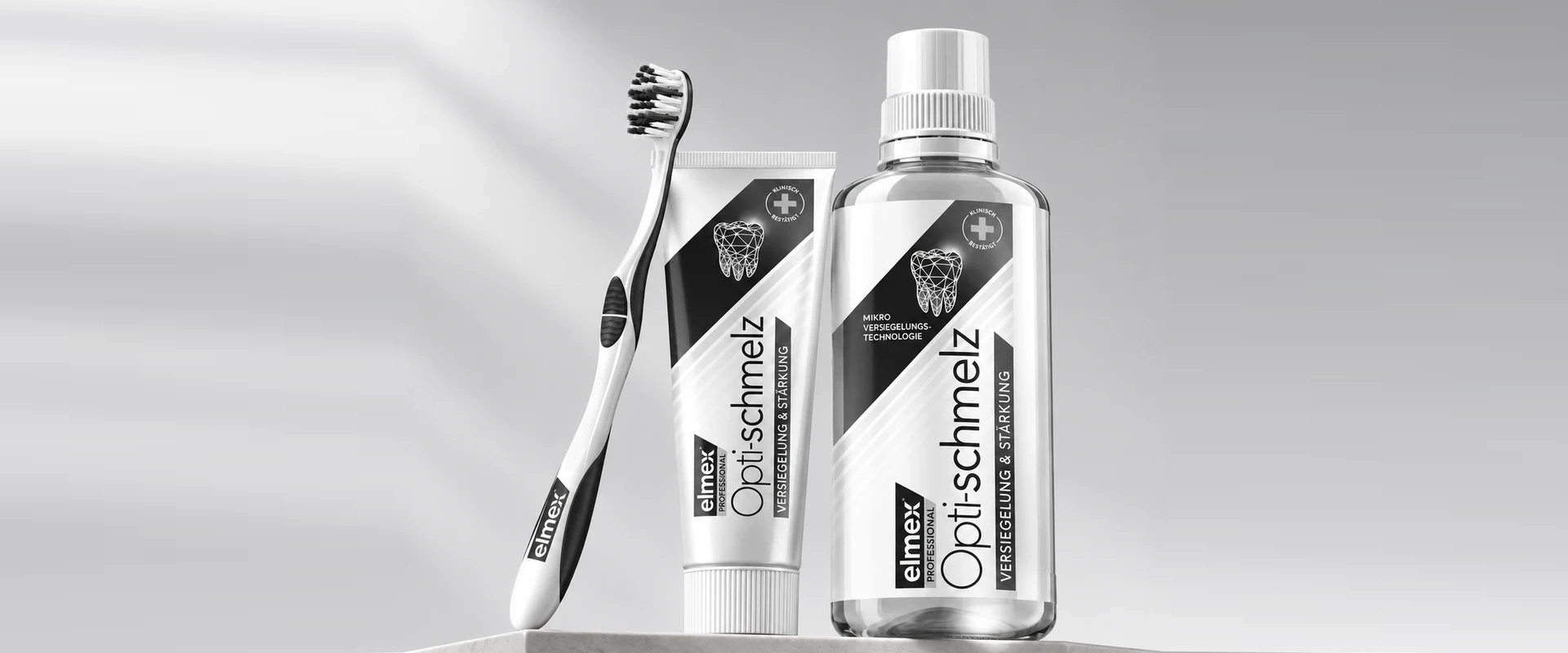
A product family can share typography, visual identifiers and a consistent layout while still distinguishing authorised functions or uses. Start by reviewing actual containers, approved names, size variations and evidence supporting claimed differences. Do not rely on colour alone for identification. A graphic system should clarify the supplied information without turning a care product into an implied medical treatment.
Select product presentation channels that suit approved claims and actual buyers
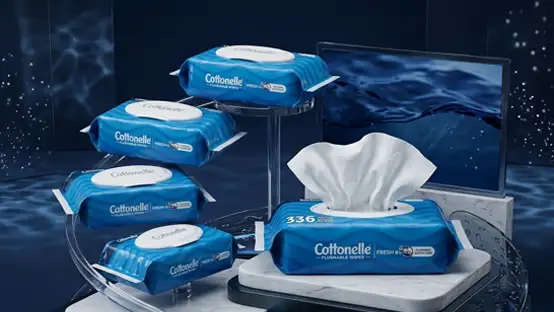
Pharmacies, specialist shops and online listings may require different information priorities and visual formats. Assess the buying environment, retailer restrictions and permitted audience before proposing displays, brochures or images. A photograph of an individual using a product can communicate more than the intended message, so any implied health claims should be reviewed against authorised source information.
Key decisions before designing or presenting non-food care products
The first decision is whether the product truly belongs to this category. A wellness-oriented name or pharmacy sales channel is not sufficient evidence of classification. Once that point is confirmed, the team can consider pack hierarchy, range differentiation and appropriate presentation formats. The questions below help define the creative brief without substituting for legal classification, testing or review of medical and health claims.
Use their verified regulatory classification, intended use and approved claims. Visual presentation or a retail location does not make them medicines.
Only if the claim is lawfully permitted, adequately substantiated and approved for that specific product; designers must not invent treatment promises.
Yes, if the authorised functions, names and variant differences remain clear within the shared system and actual packaging formats on each packaging format.
No. Usage images should serve the communication brief and must not imply unsupported results, clinical effects or endorsement for the specific product audience.
By presenting verified product identity, clear instructions and coherent branding without treating visual appeal as proof of safety or efficacy.
Four steps to define a health-focused product communication brief
Before designing the label or a retail asset, establish the product’s classification and the exact wording allowed for it. Non-food care products may fall under different frameworks depending on intended use and destination market. Their packaging and communication options should therefore be decided from approved documents rather than marketing assumptions. These four steps support an initial design review without promising certification, product testing or a particular commercial outcome.
Confirm Product Category
Record the verified classification, intended use and destination market before selecting a design or retail presentation route.
Gather Approved Information
Collect final descriptions, instructions, verified product differences and permitted claims from the responsible product owner and reviewers.
Choose Relevant Materials
Separate packaging, labels, brochures, imagery and retail displays according to the actual communication challenge and channel and audience.
Assign Final Approval
Identify who validates claims, labelling and design files before production, publication or any separately agreed installation activity.
Choose a communication route for health-focused non-food care products
| Related design workstream | Evidence to provide | Potential approach | Product need |
|---|---|---|---|
| Brand identity and packaging | Actual variants and approved distinctions | Review visual identity and variant architecture | Related care products look too similar |
| Label design | Physical container, exact dimensions and approved copy | Organise authorised label information | Instructions are difficult to locate on the container |
| Packaging design | Product sample and approved technical constraints | Evaluate carton graphics and format | A coordinated secondary carton is required |
| Point-of-sale communication | Site photographs and retailer rules | Assess approved shelf and display materials | Product visibility in specialist retail |
| Information publication design | Approved features and permitted claims | Create a brochure using verified information | Customers need help distinguishing applications |
| Product visual content | Actual product and authorised information | Prepare accurate product images and copy layout | Online product presentation is inconsistent |
| Exhibition communication | Audience, event brief and approved content | Design permitted information and event graphics | Range introduction at a sector event |
Distinguish product labelling from promotional communication and implied health claims
Label information and marketing material may share an identity but serve different information needs. The label should identify the product, its authorised uses and any required statements. Promotional content must also be appropriate for the intended audience and medium. A retail display or image can imply benefits beyond its literal words. Treating these separately helps ensure that a creative proposal does not accidentally claim medical classification, certification or therapeutic efficacy.

Design packaging and labels around approved information and clear product identification
Begin with the physical container, product name, intended application and final approved wording. A family design may help buyers recognise related items while keeping variants distinct. Typography and information order must fit the available label area. Claims about protection, safety or performance require verified evidence; material selection and printing feasibility are assessed separately from artwork design.
Develop promotional materials without implying treatment claims or unavailable certification
Brochures, retail displays and product photography should reflect the actual product, authorised information and appropriate audience. An image or badge can communicate an implied claim, so graphics require the same responsible review as text. Before publication, confirm retailer rules and the right to use proposed visuals. Production, delivery and installation are separate decisions subject to project agreement.
Information required before a health-focused product design enquiry
Because this category is defined by the product’s verified status rather than a broad wellness slogan, an enquiry should begin with classification evidence and approved copy. The physical package, intended audience and sales channel then help determine relevant design work. If claims or wording are still under review, they should not be treated as final. These questions clarify initial inputs and the limits of creative responsibility.
Provide the real container, dimensions, final approved label copy, brand guidelines and any restrictions on required statements or claims for the intended market.
The responsible product owner and authorised reviewers must substantiate and approve the claims, descriptions and any required regulatory language before its release.
No. Graphic design, prepress, print production, delivery and installation are separate tasks that require technical review and explicit agreement for that specific project.
Share photographs, dimensions, retailer guidelines, product samples and approved messages before any fixture design or installation proposal and intended period of use.
The estimate depends on formats, design variants, approved content, deliverables, printing requirements and the number of review stages before a formal quotation is issued.
Frequently asked questions about health-focused product branding
No. Their classification must be verified independently. A health-oriented name does not confer the legal status or approved claims of medicines.
Supplements belong to their own category, with different composition and claim requirements. This page focuses on verified non-food care products.
Device classification relies on its verified intended use and applicable rules. This page should not imply that other care goods are devices.
No. Foods belong to the separate Food Industries cluster; the two categories should not compete for the same search intent.
No. Certification marks and efficacy claims require authentic documentation and relevant approval; packaging graphics cannot establish either fact for the named product.
Not always. Dimensions, provisional samples and approved information can support initial scoping, while technical artwork needs confirmed specifications before production.